Pit and Gully Clearing
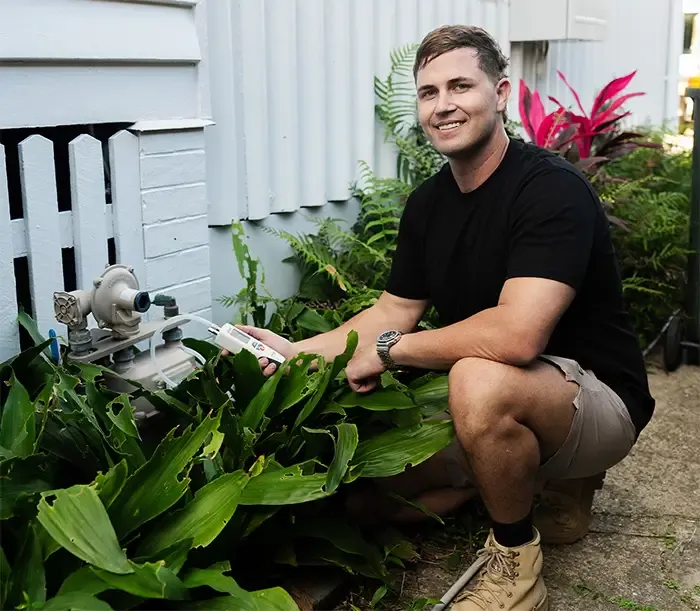
We empty silted pits and gullies, flush the outlet line clear and wash the leaf mulch from the grate, so the yard sheds rain again instead of holding every storm.
Albany Creek Plumber clears blocked stormwater lines, pits and downpipe connections across Albany Creek and its surrounding streets, with licensed plumbers, a fixed quote before any work starts, and same-day where we can.
If we're late, $100 comes off your bill

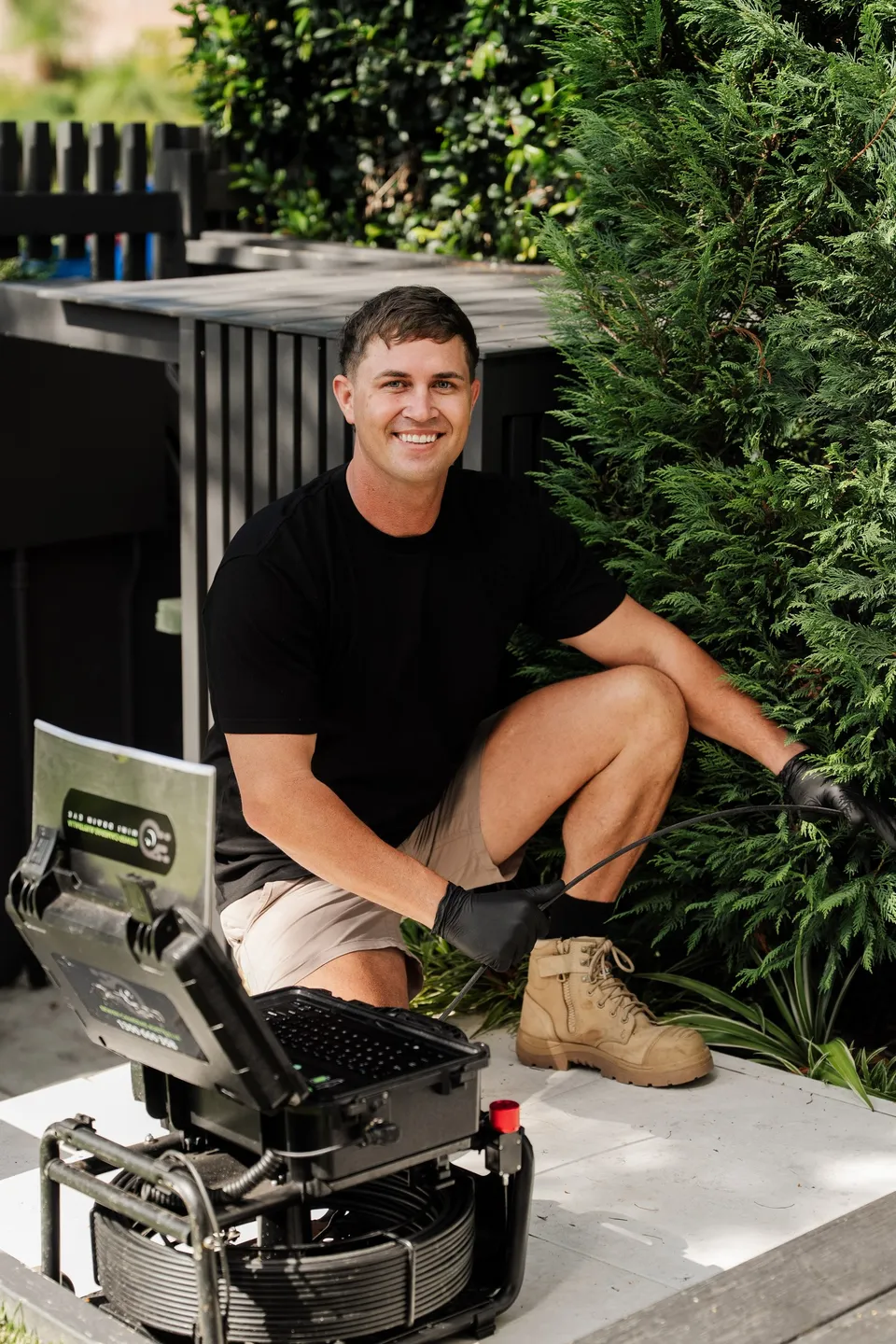
The council's hazard maps trace runoff routes down these residential slopes, so a pit that copes all winter can drown in one November downpour, and clearing it is quick work.
The hills speed the water up. State soil mapping calls this ground rolling to hilly, so yard drains and surface lines carry fast flows between terraced lots on the way down from Old Northern Road. Then the low corner slows it. Silt, mulch and leaf litter settle exactly where the fall flattens, which is why the same pit blocks after every decent storm. The storm season does the testing. Averages sit near 1,069 millimetres a year, much of it arriving through the November to March storms, so a marginal pit gets tested over and over each summer.
If water sits where it should run, here is the stormwater work we get called to most across these hills, from a single drowned pit to a whole boundary system that needs flushing out:
We empty silted pits and gullies, flush the outlet line clear and wash the leaf mulch from the grate, so the yard sheds rain again instead of holding every storm.

We clear blocked downpipe points, reseat loose connectors and check the spreader joints on a sloping block, because a choked downpipe pours water against the outside wall it should protect.

We trace and clear strip drains, grated channels and spoon drains that silt over, checking the fall so surface water keeps moving to the pit instead of pooling on paths.
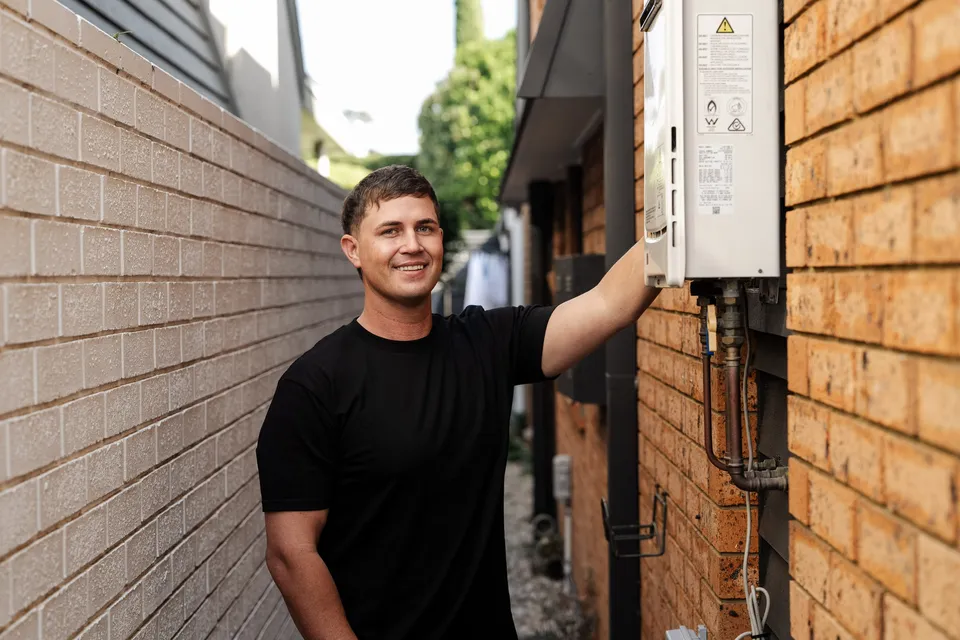
When the same pit floods every storm, we flush the line and offer a camera inspection, because repeat trouble on these slopes usually means a sagged section or root entry.
$0 call-out fees, available 24/7, and same-day where we can.

Water sitting at the pit days after rain means the outlet is blocked, usually by silt and leaf litter washed off the sloping yard, and a proper flush clears it quickly.
A pit that glugs while rain hammers down is fighting a partial blockage further along, often where the line flattens at the low corner, and clearing it restores free flow.
Soggy ground beside a wall usually traces to a downpipe pouring short of the pit, and reconnecting or extending the line keeps that water away from the slab and footings.
Water pushing up at the boundary junction means the blockage sits past it, sometimes in council territory, and we identify which side of that line it is on before digging.
Not sure which line it is? Water backing up inside fixtures points to the sewer; water pooling outside points to stormwater. The blocked drains page covers the general work.

The creek flats carry the flood history. Council's flood mapping flags the low ground along Albany Creek, Sandy Creek, Kingfisher Creek and the South Pine River as hazard ground, and yards there go under first. Low houses cop the surcharge. A pit that overflows on that ground sends water toward garages and laundries, not just the lawn. The river has form. The old bridge at Cashs Crossing, on the northern edge near South Pine Road, was standing through the floods of February 1893, so rising water on these flats is an old story.

Stormwater drains protect the house, the yard and everything stored low, and here is why a blocked line in this suburb deserves attention before the next storm front rolls in over the hills:
A surcharging pit does not politely wait in the yard. It pushes runoff toward garages, laundries and any room sitting below the street, which is exactly where the wiring and the stored boxes live.
A line that drains slowly in a drizzle will fail in a downpour. Silt settles, roots follow the moisture, and by the time water shows at the grate the pipe is usually well past half full.
A flush and a fall check before the November storms cost far less than the cleanup after a surcharge, and spring is the natural time to book one.
From your first call to the last grate washed, here is the shape of a stormwater job:

Phone (07) 3523 6428 with what's happening in Albany Creek. A few questions on the call mean the right parts come with us.

Flat-rate pricing and no hidden fees, set before the job starts. Give the go-ahead and we begin.
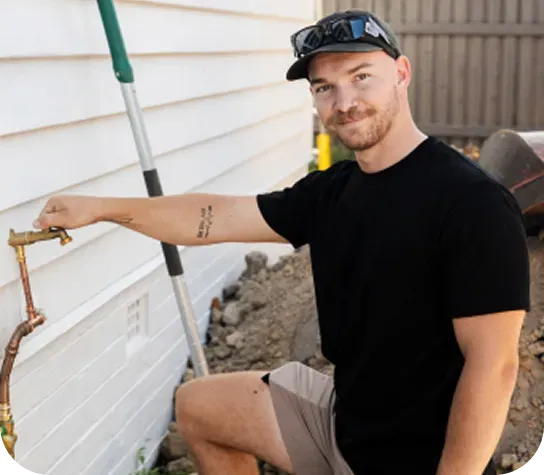
We flush the blocked line from the pit, clear every grate and outlet, then run a hose through to confirm the whole run drains freely before we pack up.

Settle by card or EFTPOS when the work is done, or ask us about Fix now, pay later.
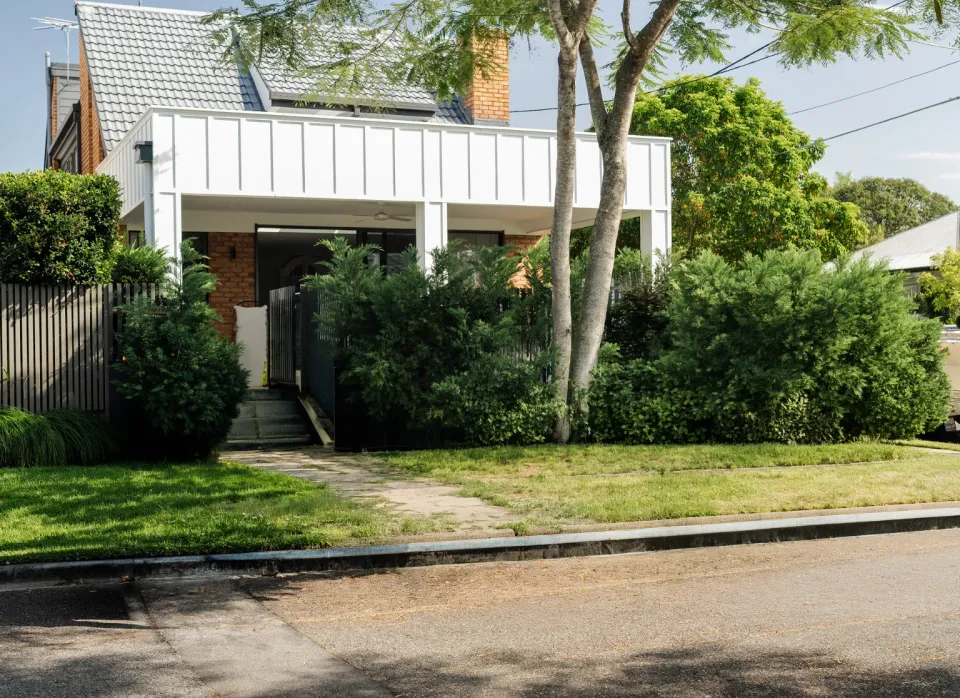
Whether it is one drowned gully or a whole boundary run under a sloping backyard, the booking is the same and so is the fixed price you approve.
You pay zero call-out fees in Albany Creek, and there's no extra charge for nights, weekends or public holidays.
Our Fix-It-or-It's-Free guarantee covers the job (T&Cs apply), and if we're late, $100 comes off your bill.
Every job is handled by a licensed plumber under QBCC No: 15024607, and the labour has a lifetime labour warranty.
Locally owned and operated, licensed and insured, with flat-rate pricing on every job.
Stormwater calls also take our plumbers over the boundary lines to Brendale, Bridgeman Downs, McDowall, Bunya and Eatons Hill, and each of those suburbs has its own page on the ground it drains and the faults it throws up.
Everything from your downpipes through the pits to the run out at the boundary belongs to your property, the street network is council's, and we confirm where the trouble sits before any work is quoted.
Because these rolling streets shed runoff fast, and the council's maps trace runoff routes across the slopes, so a pit sized for roof water alone can drown when a hillside drains past it.
It can, because the low ground along the river and its side creeks carries medium and high hazard markings on council's flood maps, and a choked line there lets a heavy storm pond across the yard.
They do, because the bushland along the creek-side parks sends fine roots toward aged pipe joints, and a stormwater line that blocks again and again usually has root entry somewhere along it.
Yearly averages come in around 1,069 millimetres, and the storm months from November to March drop much of that in heavy bursts, so a cleared line in spring faces its real test by Christmas.
Call (07) 3523 6428, tell us which pit or downpipe is misbehaving and how long it has been slow, and we will try to have someone out the same day where we can.
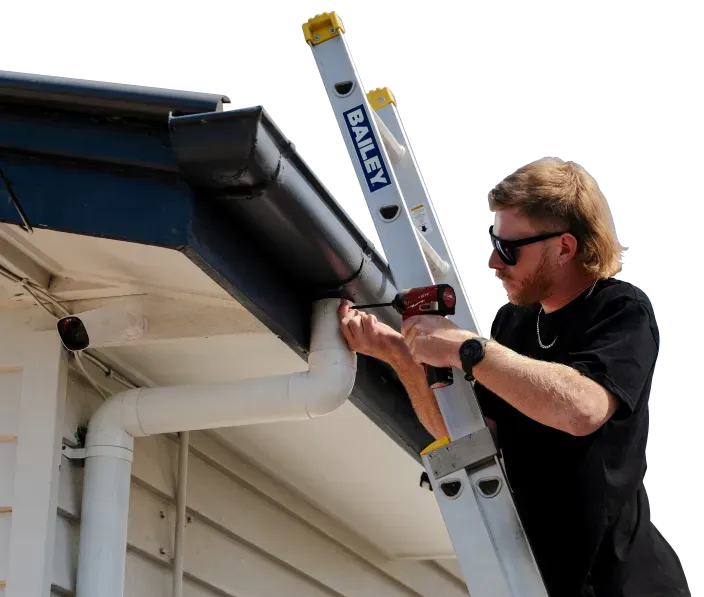
Ring (07) 3523 6428 and tell us what's happening. We're available 24/7, jobs in Albany Creek come with zero call-out fees and flat-rate pricing, and every job is done under QBCC No: 15024607, same-day when we can.
For blocked sewers, blocked drains and camera work, our drainage page sets out the full range.
To claim your $0 call-out fee, call (07) 3523 6428 today.